SEO Optimised Website Design
It’s rare for websites to be created with search engine optimisation in mind. We’re here to change that.

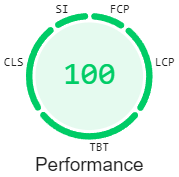
fastest SEO website Lighthouse 100% performance Mobile SEO

Why is speed important for SEO?

Lighthouse 100% performance Mobile SEO

Speed and performance are crucial for SEO and Google rankings, particularly on mobile devices. When a website loads quickly, users are more likely to stay and explore it. If a site takes too long to load, people tend to leave, which increases the bounce rate. Google notices this behavior and ranks fast-loading sites higher because they provide a better user experience.

Even to this day mobile users often rely on slower internet connections compared to desktop users. This makes speed even more important on mobile devices. A site that performs well on a mobile phone can make a big difference in how it's ranked by Google. Google uses a mobile-first indexing approach, which means it primarily uses the mobile version of a site for ranking and indexing. If your site is optimized for speed on mobile, it has a better chance of achieving a higher ranking.
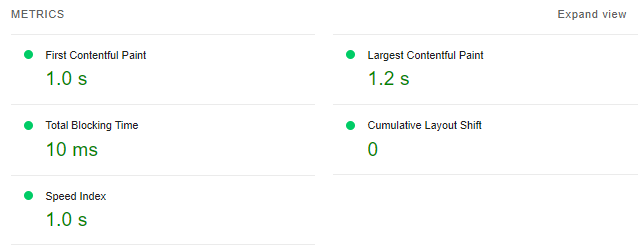
LCP FCP ITTB Google core web vitals 100%

Overall, good performance also means that all elements of a site work smoothly together, from images to text to videos. When these elements are optimized, it reduces the time a site takes to load. This not only improves the user's experience but also signals to Google that the site is well-maintained and reliable. Focusing on speed and performance for mobile devices is essential for achieving and maintaining a good ranking on Google.

Top 6 Advantages of Deferring and Lazy Loading Content for SEO and User Experience:

1. Improved Page Load Speed

  • SEO Benefit:
    Search engines like Google consider page load speed as a ranking factor. A faster-loading page is more likely to rank higher in search results because it enhances the user experience and reduces bounce rates.
  • User Experience Benefit:
    Users are more likely to stay on a website that loads quickly. If a page loads faster, visitors are less likely to abandon the page due to long waiting times.

2. Deferring Content

  • Definition:
    Deferring content means delaying the loading of certain elements, such as JavaScript files or images, until they are actually needed or until the main content is loaded.
  • SEO Benefit:
    By deferring non-essential content (e.g., scripts or large files), the main content (such as text and images above the fold) loads first. This is important for both SEO and user engagement. It signals to search engines that the page is optimized for quick loading and prioritization of important content.
  • User Experience Benefit:
    Deferring content ensures that the most important parts of the page load first. Users can begin interacting with the site while secondary content is still loading in the background, leading to a smoother, less frustrating experience.

3. Lazy Loading

  • Definition:
    Lazy loading is a technique where images, videos, and other content are loaded only when they are needed (e.g., when they come into view as the user scrolls down the page).
  • SEO Benefit:
    While lazy loading can reduce the initial page load time, it's important to implement it correctly. Modern search engines can crawl lazy-loaded content if it’s implemented using the right techniques (e.g., IntersectionObserver API for lazy-loading images). This ensures that content is discoverable by search engines, even though it’s not loaded initially.
  • User Experience Benefit:
    Lazy loading helps users get a faster response when they first load the page. Only the visible content is loaded initially, reducing the initial payload. This is particularly useful for pages with lots of images, videos, or long articles, as it prevents users from waiting for unnecessary resources to load.

4. Reduced Bounce Rates

  • SEO Benefit:
    A faster page load time typically leads to lower bounce rates, which is a positive signal for SEO. Bounce rates indicate how long users stay on a page, and a high bounce rate can negatively impact rankings. Faster load times and better usability keep visitors on your site longer, reducing bounce rates and potentially increasing conversions.
  • User Experience Benefit:
    By reducing load times and ensuring users can start interacting with the page sooner, both lazy loading and deferring content keep users engaged. This improves overall satisfaction and encourages them to explore more of the website.

5. Website C02 and Bandwidth Savings

  • SEO Benefit:
    Search engines favor sites that use resources efficiently. When content is loaded only when needed, fewer unnecessary resources are downloaded, which can also improve site performance and efficiency.
  • Environment Benefit:
    Deferring and lazy loading content can significantly reduce the CO2 emissions associated with a website's operation. This is because these techniques optimize the use of network resources, reduce the data transferred, and ultimately decrease the amount of energy required to load and process web pages.
  • User Experience Benefit:
    Lazy loading ensures that users on mobile devices or with slower internet connections only download content as they scroll. This can significantly reduce data usage, leading to a better experience for users in regions with slower internet speeds or data limits.

6. Mobile Optimization

  • SEO Benefit:
    Mobile-friendliness is a key ranking factor for Google. Lazy loading and deferring content are particularly beneficial for mobile devices, where bandwidth and processing power are often limited. By optimizing the loading of content, mobile users will experience faster page loads, which can improve mobile search rankings.
  • User Experience Benefit:
    On mobile devices, quick load times are crucial. Lazy loading ensures that only the essential content loads initially, providing a smoother browsing experience for mobile users, who might otherwise experience slower load times.

Summary of Benefits:

How to optimize your website

There's a few different ways you can optimize your website for User Experience (UX), Conversion Rate Optimisation (CRO) and Search Engines (SEO) such as google. The first step is to understanding what you can improve. Whether you choose to do it yourself or work with an SEO consultant like SEO Rank Genius, there are key methods to optimize your website:

1. On-Page Optimization

DIY Tip: Use tools like Google Keyword Planner to find the best keywords and implement them yourself.

2. Technical SEO

Our Services: We can perform a comprehensive technical SEO audit and resolve these issues for you.

3. Content Optimization

DIY Tip: Leverage free tools like Grammarly and Canva to refine content and visuals.

4. Off-Page SEO

Our Services: We provide tailored backlink-building strategies and social media management to grow your online presence.

5. Analytics and Monitoring

Our Services: We can set up Google Search Console, Google Analytics (GA4) and interpret analytics to guide your ongoing strategy.

Why Choose to work with an SEO Agency, freelancer or consultant?

Optimizing a website can be overwhelming, especially if you’re new to SEO. There's certainly things you can do yourself with basic knowledge, but expert knowledge and experience may be what you need to beat your competition. That’s where we come in. Our team of experts will tailor an optimization plan for your unique goals, whether it’s remapping your website with a keyword sitemap and URL structure, improving technical SEO, creating high-quality content, or driving backlinks.

Get a free consultation or, start small by implementing some of these DIY tips to see instant improvements.

Order SEO Services now to improve your website:

Full services coming soon...

home